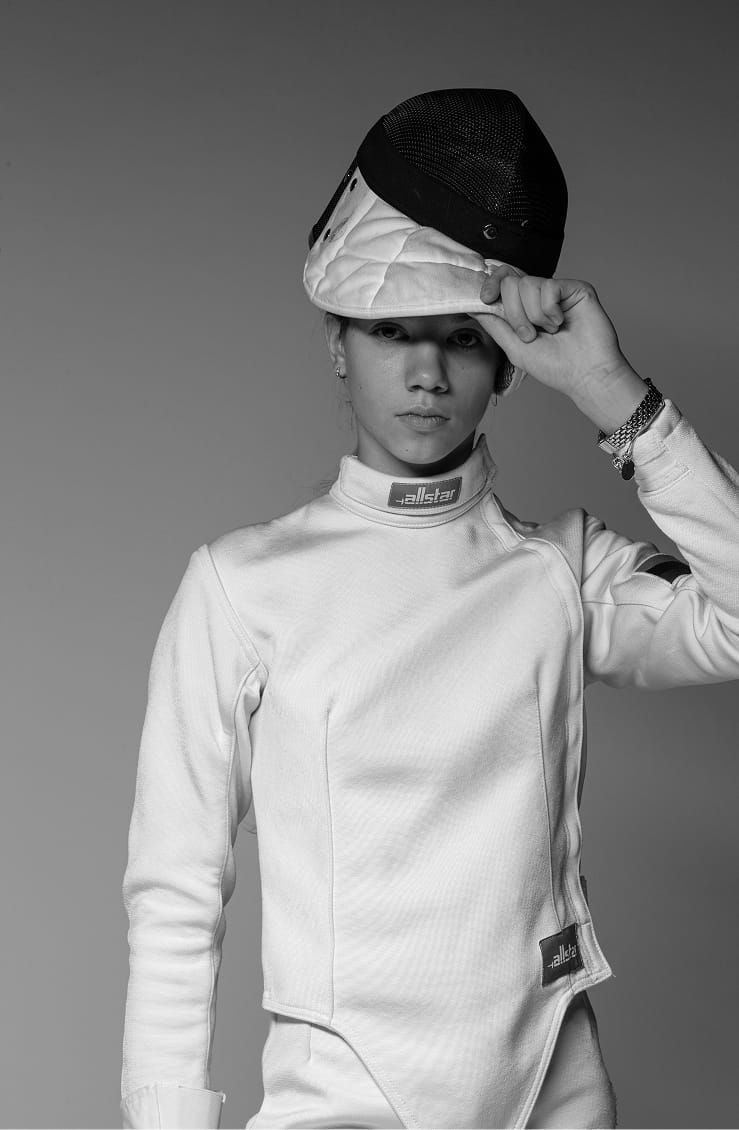
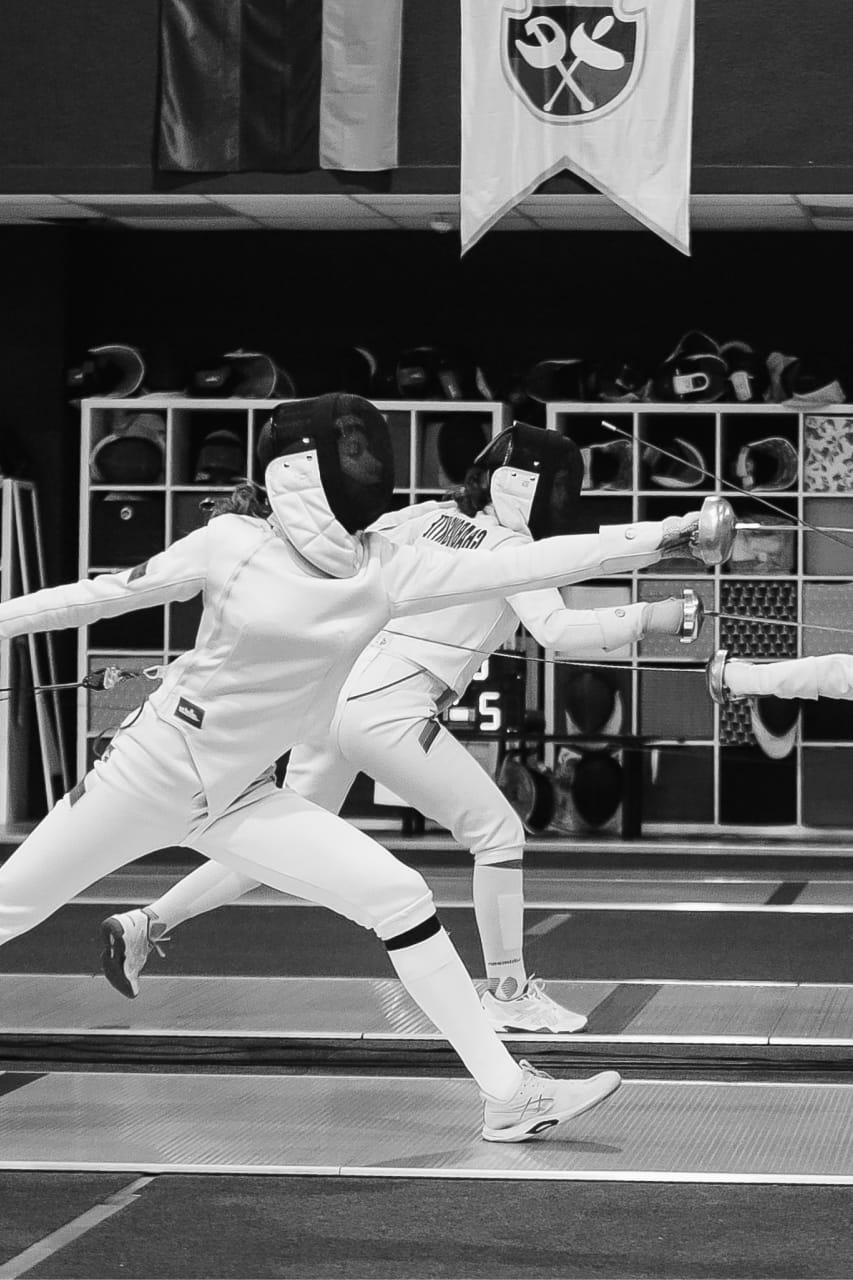
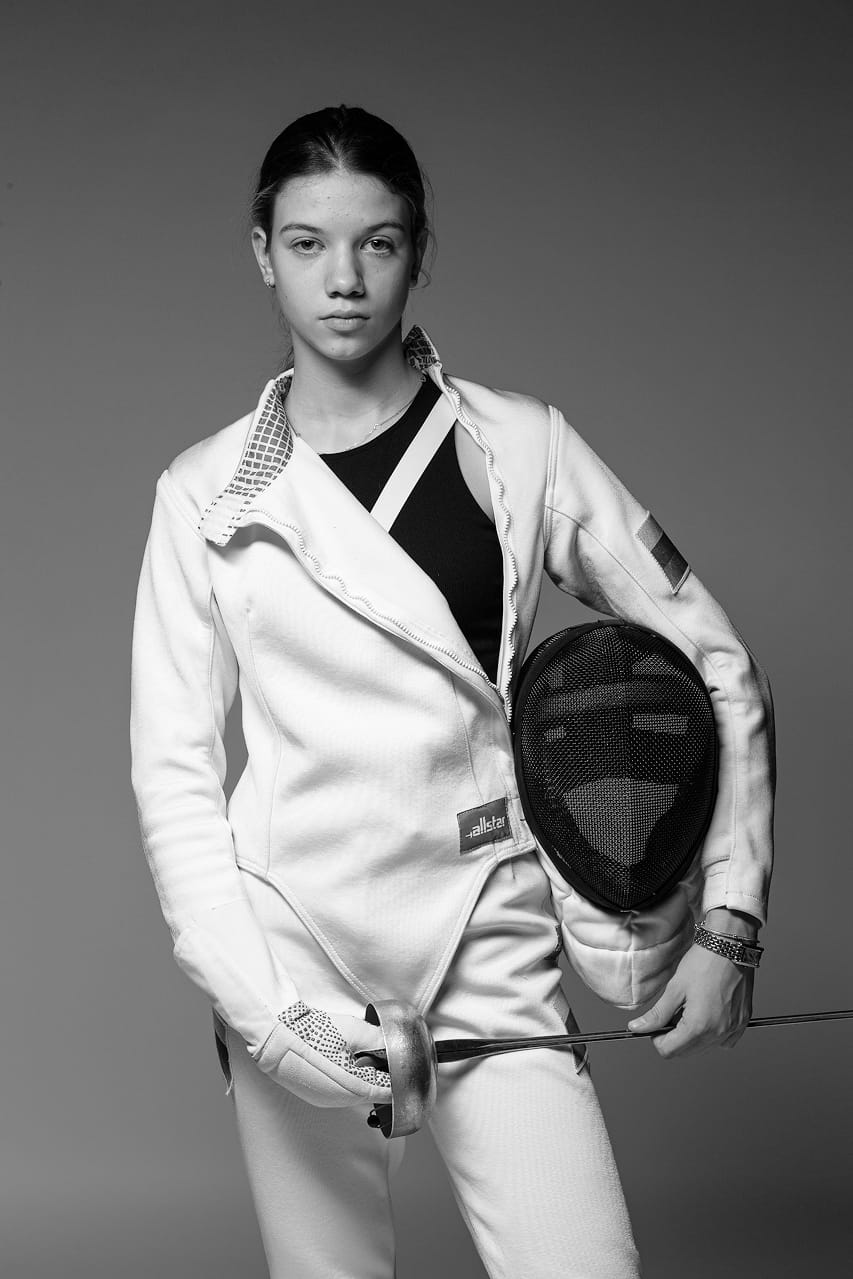
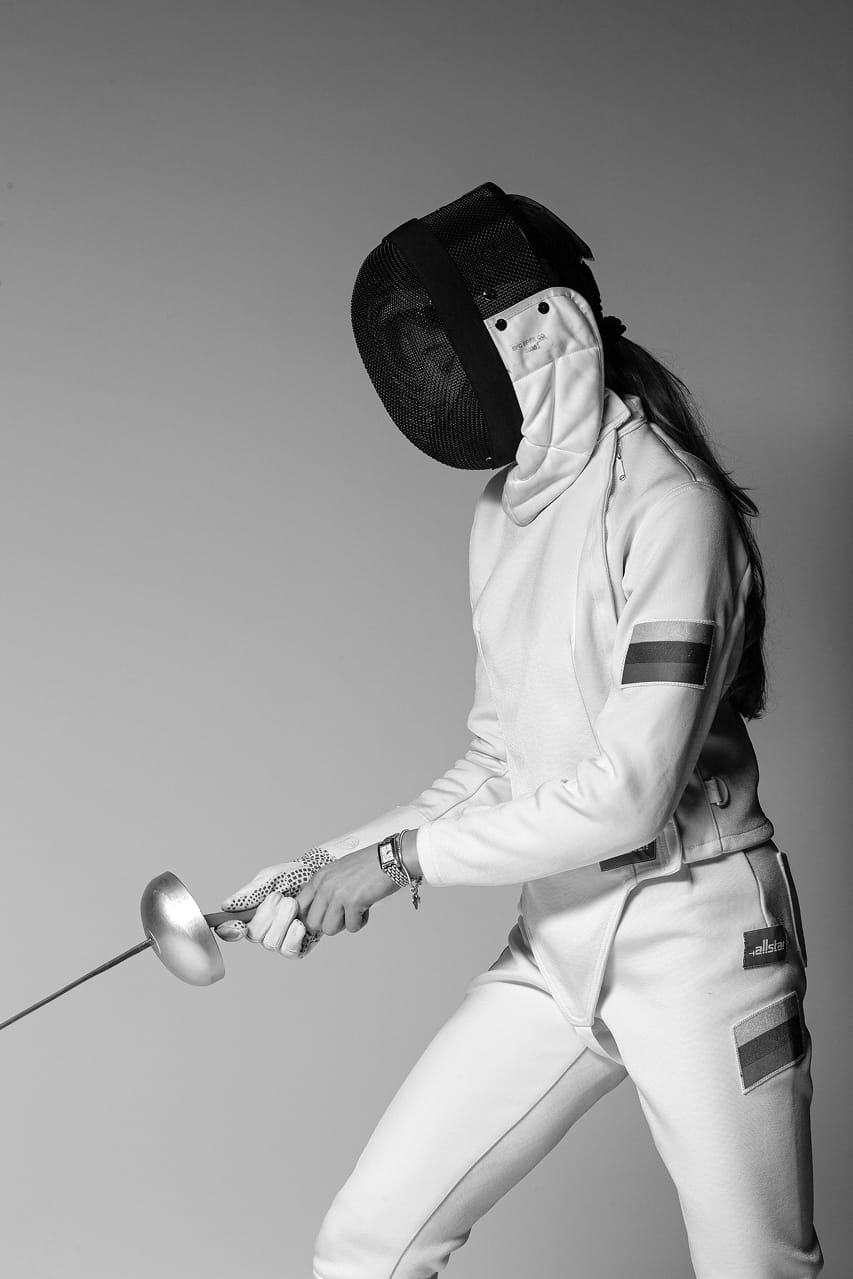
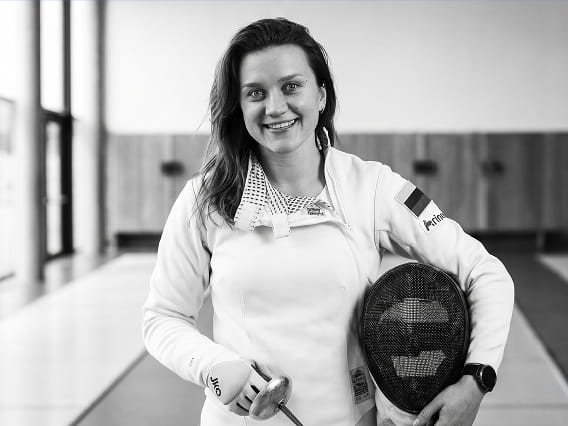
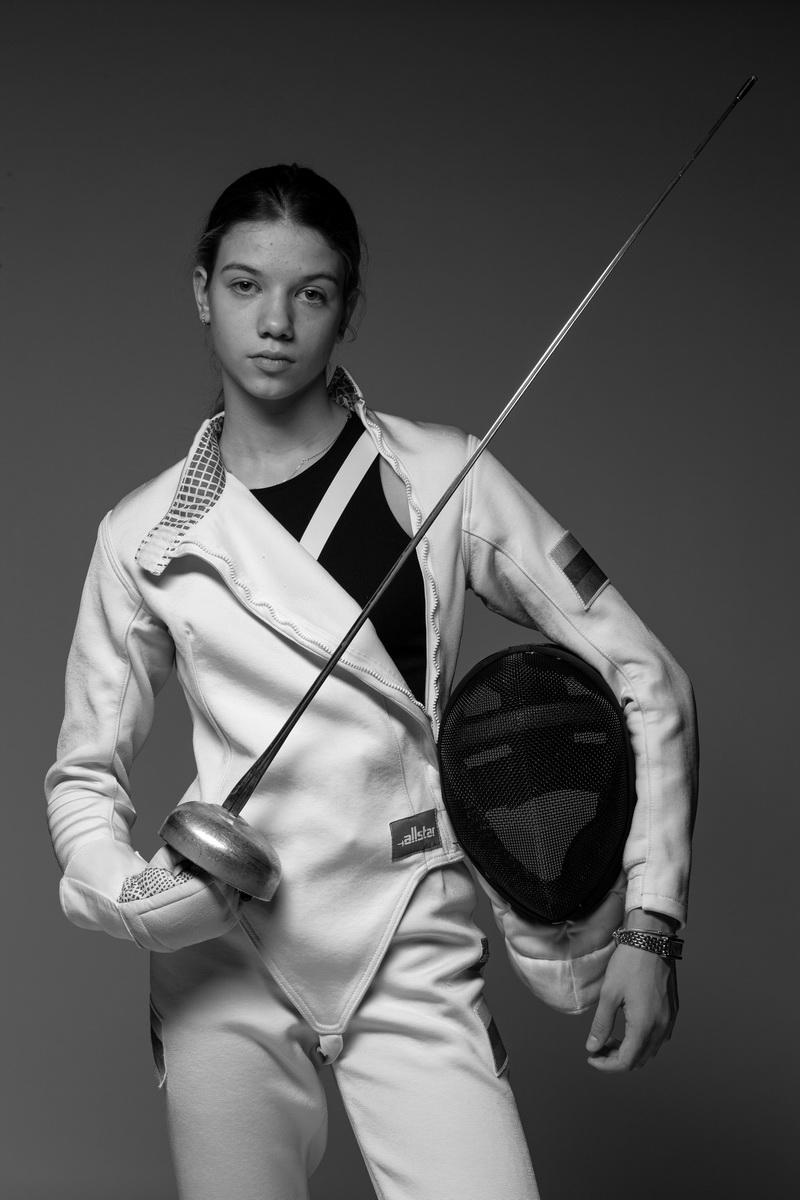
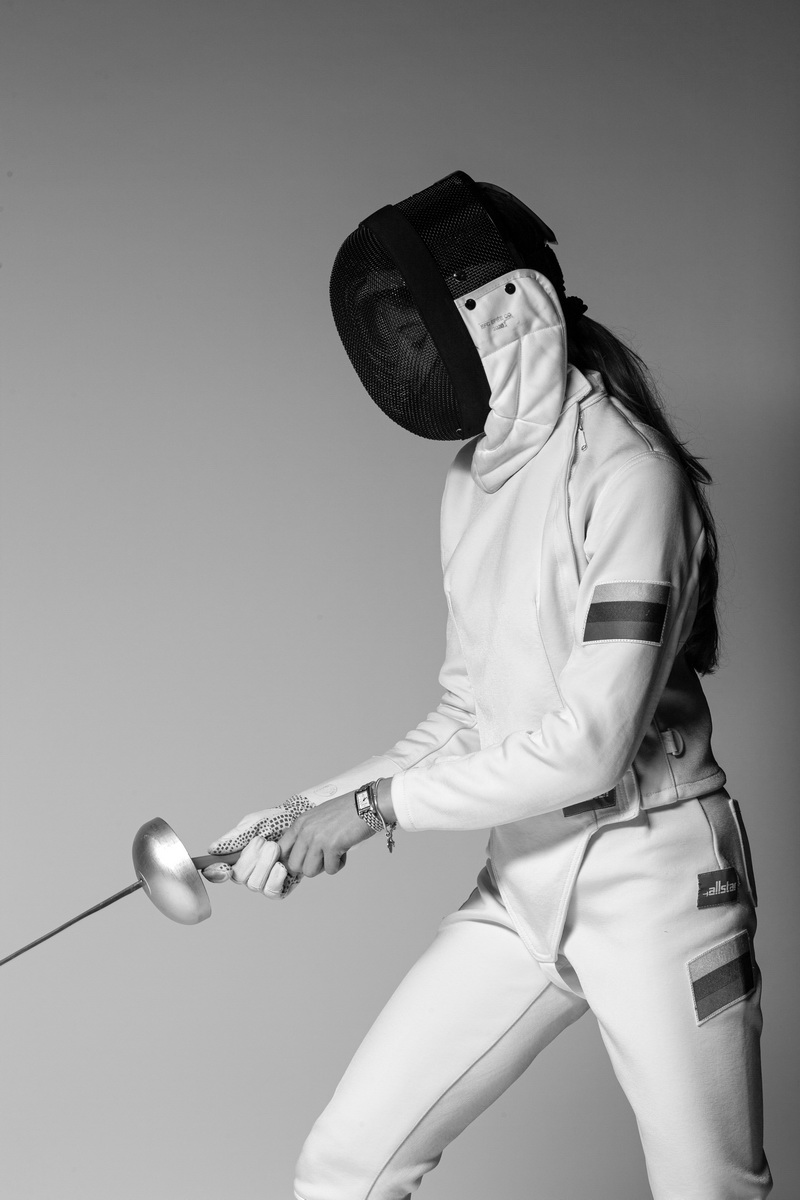
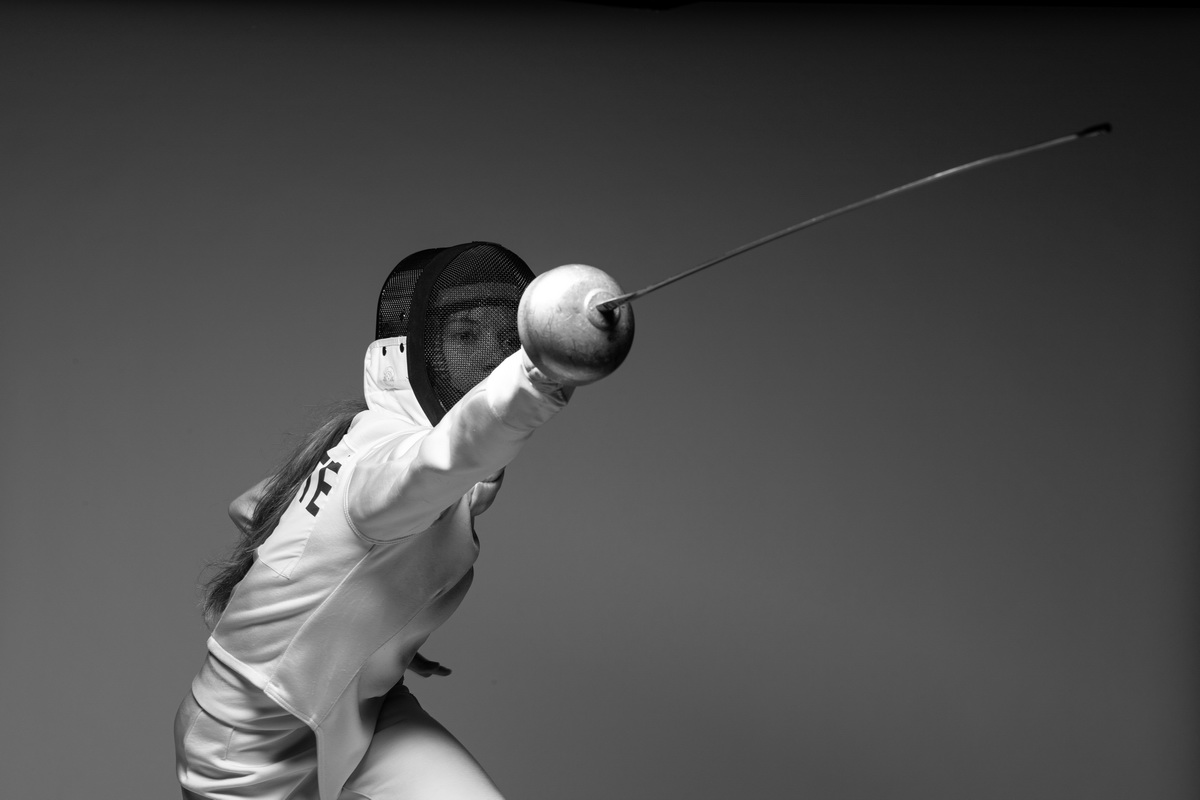
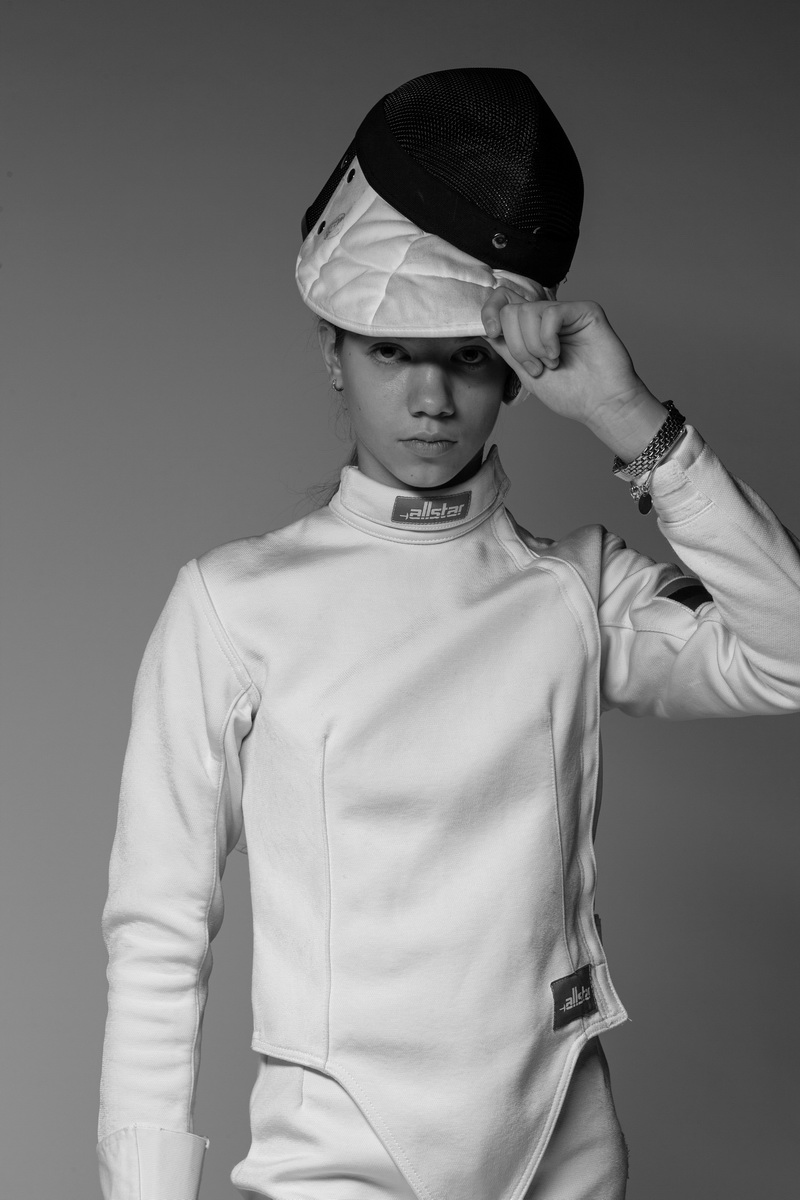
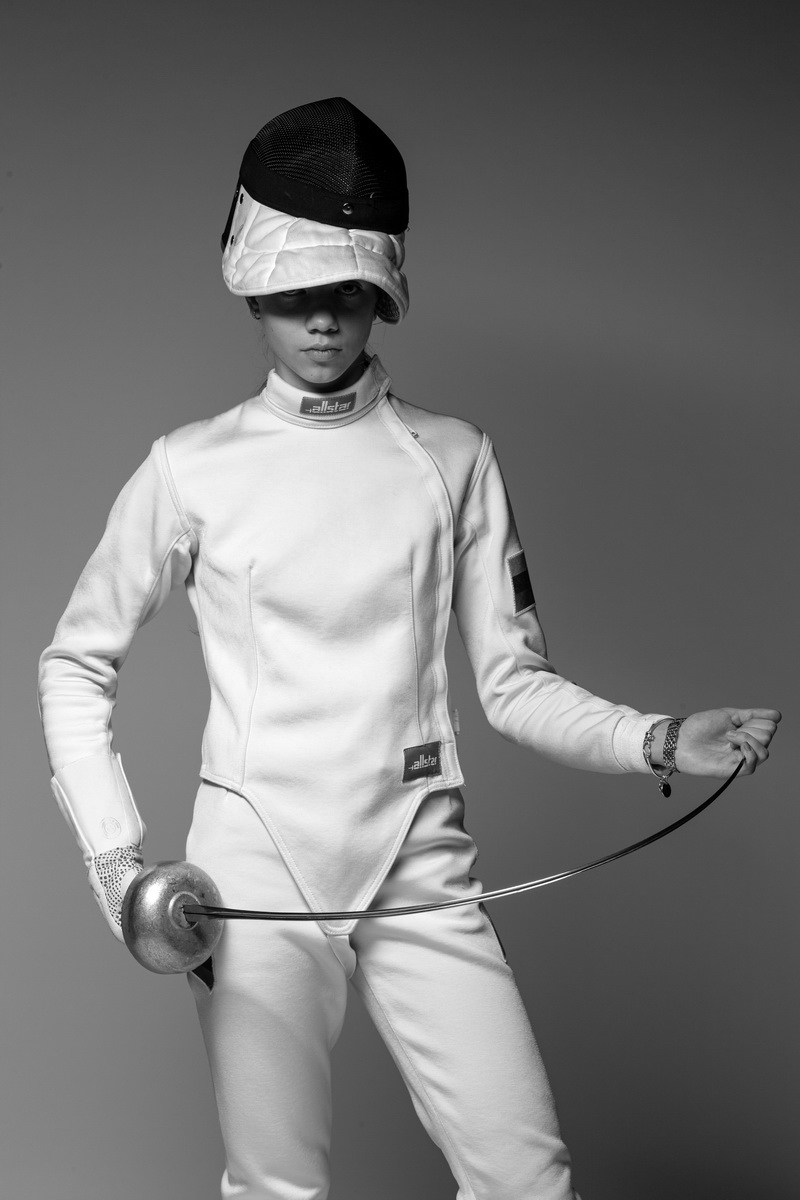
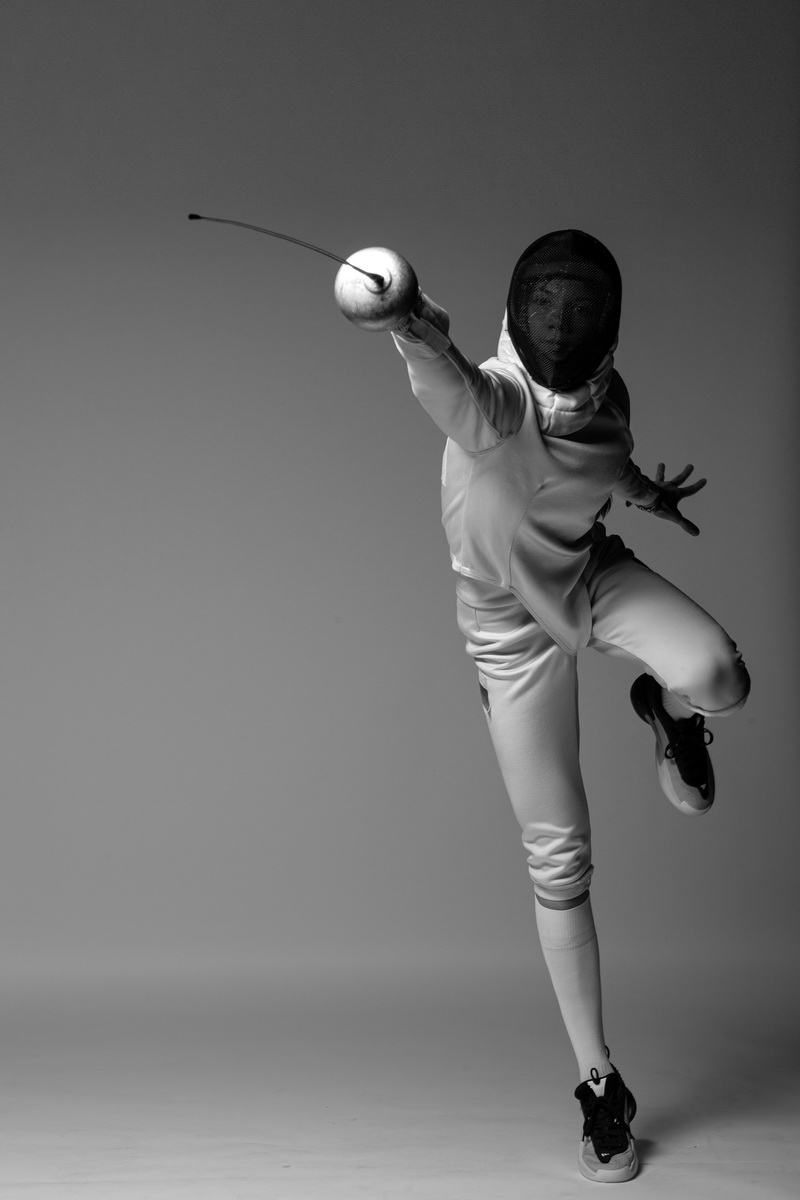
People see the speed. They rarely see what comes before it.
Behind the mask, I'm reading patterns. Watching how my opponent shifts their weight, how they breathe between actions, where their eyes go a half second before they move. I'm looking for the moment they stop thinking and start reacting. That's usually when the point is already mine.
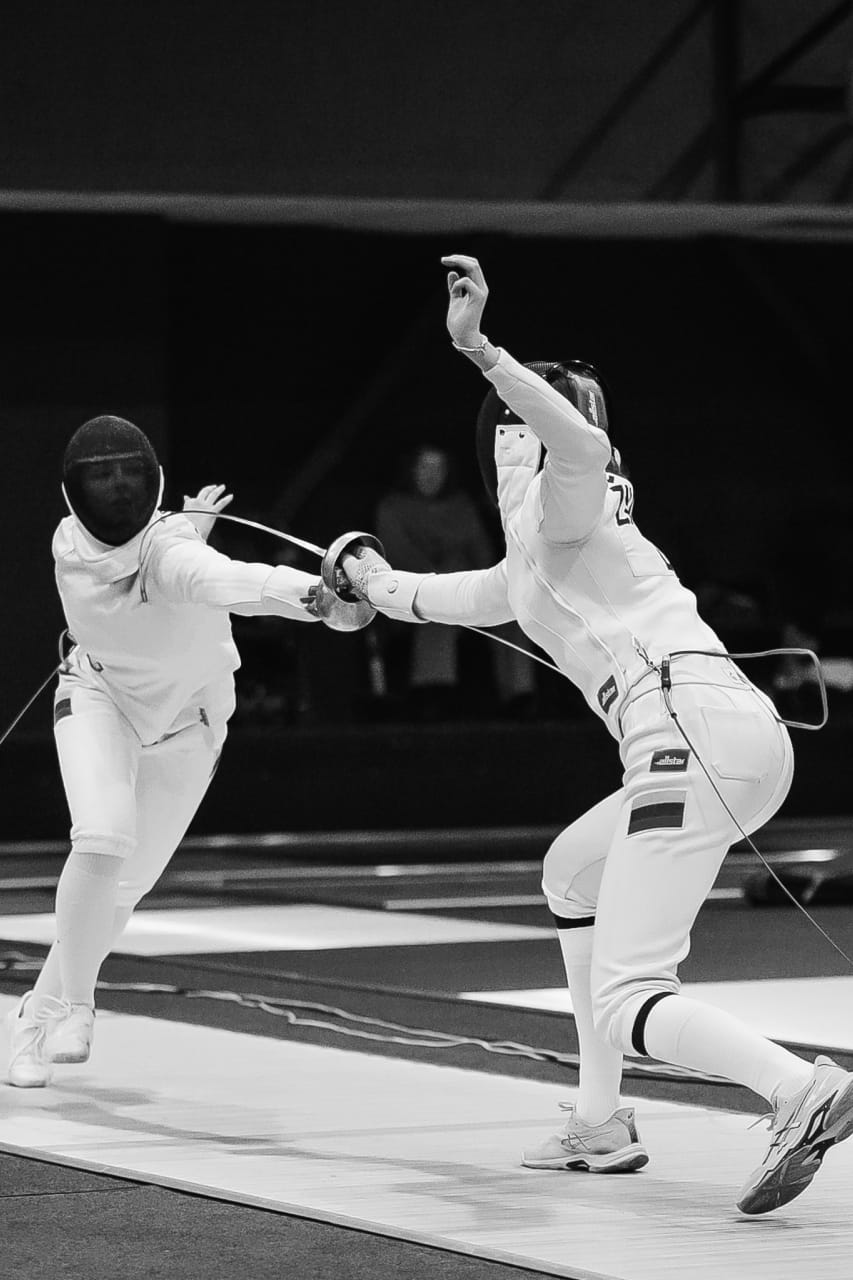
Fencing taught me something simple early on: the fastest hand doesn't always win. The calmer one does. A shift in weight, the angle of a wrist, a slight hesitation. These are the details that decide a bout, not raw power.
People sometimes call fencing physical chess. I don't love the comparison, but there's truth to it. Every action has a counter. Every counter has a counter to that. You're not just reacting, you're setting the next three moves up while your opponent is still trying to finish the last one.
The road to 2032 isn't made of big moments. It's made of thousands of small ones, repeated until the right decision becomes automatic. That's the part nobody films. But that's the part that wins medals.